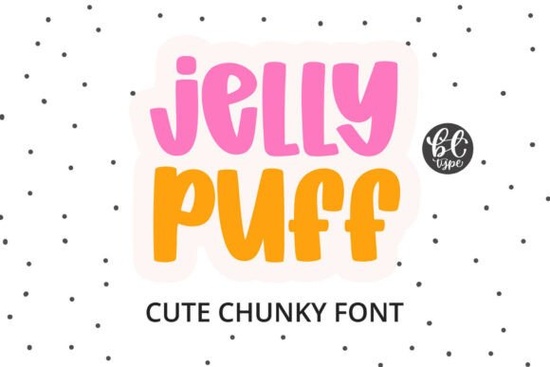
If you are looking for a display typeface that instantly adds weight and charm to your layouts, Jelly Puff Font delivers exactly that. Designed with exceptionally thick, rounded letterforms, this bubbly style removes all sharp corners to create a plush, volumetric look. The short ascenders and descenders keep the spacing tight, which makes every word sit like a solid, friendly block. That compact structure is especially helpful when you need headlines that read clearly at small sizes or on curved surfaces.
Why Choose a Soft, Rounded Display Type for Your Projects?
Traditional serif or sans-serif fonts often carry a formal tone that does not always match playful branding. A heavily weighted, cushioned style brings immediate warmth to any composition. The design leans into modern bubble letter trends while maintaining professional legibility. Each character shares uniform thickness and smooth transitions, which works well against minimal backgrounds. You do not need heavy shadows or complex gradients to make the letters stand out. The shape itself provides enough visual weight.
This approach works particularly well for audiences who respond to cheerful, approachable aesthetics. Small business owners frequently reach for this kind of typography when they want their packaging or merchandise to feel inviting rather than corporate. Crafters also appreciate how the consistent stroke width reduces bleeding on thinner vinyl sheets or cardstock. When you cut shapes with a blade router or laser engraver, those smooth curves translate cleanly without jagged edges.
Where Does This Bubbly Typeface Fit Best?
Because the letterforms are compact and high-contrast, it performs strongly in several specific applications. Sticker makers rely on its bold outline because it creates clear negative space. Kids branding benefits from the same trait since children recognize rounded shapes quickly. Animated sequences can bounce individual letters independently, taking advantage of the separable structure. Feminine logos leaning toward sweetness also gain instant polish from this style.
If your project involves print-on-demand products like mugs, tote bags, or baby clothes, readability remains the top priority. The thick contours prevent ink from spreading too much during sublimation or screen printing. You can place these characters on curved garments or wrap them around bottles, and the short vertical stems will still follow the contour naturally. For wedding invitations that skip traditional script, this chunky alternative offers a modern, lighthearted twist.
How Should You Pair It With Complementary Styles?
No single typeface handles every job, so knowing how to balance it saves time during layout design. Keeping one line in this heavy bubble style and pairing it with a thin, airy sans-serif creates clear hierarchy. You can also experiment with retro brush styles for accent words, though balancing the two prevents visual clutter. If you ever need softer, more delicate options alongside your main headline, checking out girly pop displays helps maintain that light aesthetic. When your project calls for a wavy, fluid energy instead of strict blocks, exploring wavy script collections gives you smooth counterpoints.
Sometimes designers want richer texture without losing the playful mood. Adding subtle accents over dark backgrounds pairs nicely with decorative options like ornate gemstone types for secondary details. Conversely, if your brand leans into rugged themes, switching away from smooth curves toward weathered grunge options creates intentional contrast. When you need another blocky style that keeps that cozy, padded feeling, comparing additional chunky display families ensures you pick the right weight for your canvas.
What Technical Details Should Designers Check Before Buying?
Cutting down on revision rounds starts with verifying file compatibility and language support. Confirm your license covers commercial use for digital and physical goods. Modern marketplaces usually provide proper kerning pairs, but testing your phrase in your design software catches spacing issues early. Run a quick check on long lines to see if the short descenders interfere with baseline alignment. Adjust tracking slightly wider if the letters start to touch, especially near numbers.
For craft creators working with electronic cutters, simplify your path data before exporting. Some platforms auto-trace vector outlines, which can add unnecessary nodes to already thick shapes. Manually converting text to outlines after adjusting the final size usually produces cleaner cutting paths. Keep a backup layer of editable text until your export is finalized, then flatten everything into SVG or DXF formats. This workflow reduces unexpected gaps or broken lines when the machine reads your file.
Quick Setup Checklist for Clean Results
Verify commercial licensing matches your intended sales channel before finalizing artwork.
Test your full tagline in your design program to check for overlapping round shapes.
Increase letter spacing by 5% to 10% if the text feels too cramped on narrow labels.
Convert to outlined vectors only after approving spacing, color, and trim marks.
Export in SVG or PDF with embedded fonts to preserve curve integrity across devices.
Tip: Keep a sample sheet of your favorite weights labeled for quick reference. Swapping between similar styles becomes much faster when you already know which one cuts cleanly through vinyl and which one prints best on heavyweight paper.
Download Now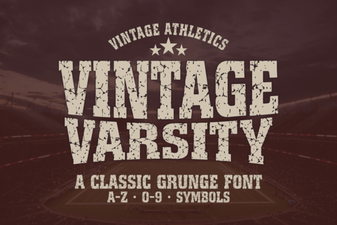 Vintage Varsity Font Styles & Download Guide
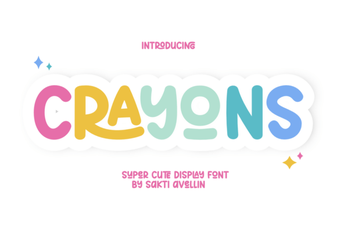 Crayons Font for Creative Diy Projects & Posters
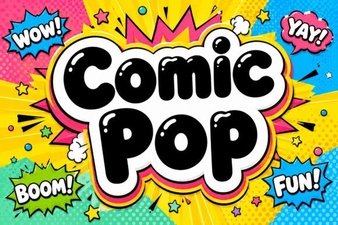 Free Comic Fonts for Creative Projects
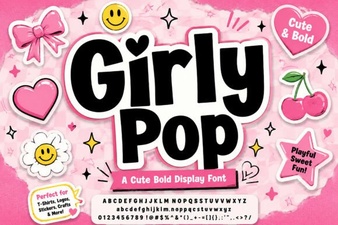 Girly Pop Fonts for Creative Projects
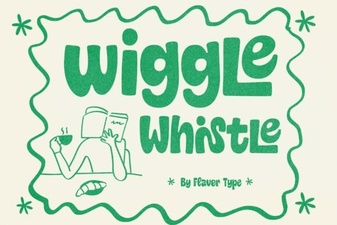 Bring Creativity to Text with Wiggle Whistle
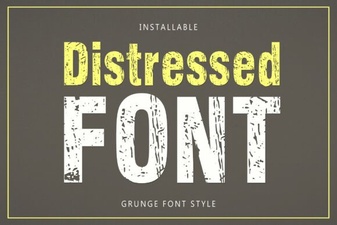 Distressed Font Designs for Authentic Digital Art Projects