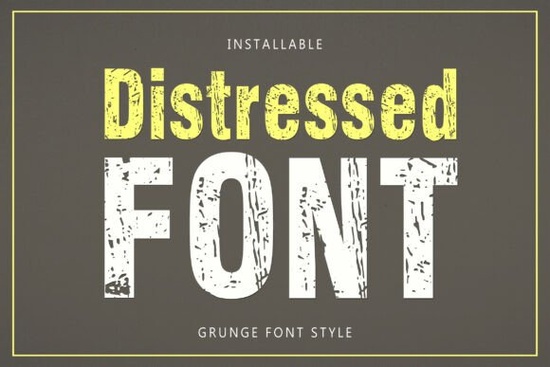
If you are looking for a typeface that instantly adds history and grit to your layouts, Distressed Font delivers exactly that without sacrificing legibility. This bold, vintage-inspired design features intentionally worn edges and subtle texture variations that make it stand out on everything from t-shirts to vintage movie posters. Crafters, print-on-demand sellers, and small business owners often gravitate toward this style because it creates an immediate emotional connection while remaining clean enough for everyday reading. When used correctly, textured lettering can transform a basic graphic into something that feels authentic and time-tested.
Why does this style work well for branding and merchandise?
Retro and grunge aesthetics have maintained steady popularity across decades, largely because they communicate durability and raw character. A worn typeface mimics the look of screen-printed signs from the mid-century or weathered military patches, which naturally draws attention. The beauty of this particular design lies in its balance. While the outer strokes carry a rugged silhouette, the inner counters remain open enough to prevent ink bleed on fabric or paper. This makes it an excellent choice for bulk orders where consistency matters. You will find it especially effective when paired with muted earth tones, faded photography, or heavy cardstock backgrounds.
How do you apply it across different mediums like print and digital?
Transitioning between digital mockups and physical production requires a few practical adjustments. For print-on-demand apparel, always preview your files at actual garment size before uploading. Textured designs tend to show tiny gaps between letters that might fill up slightly during the heat press or sublimation process. Using a dark fabric color usually enhances the vintage effect, while placing the lettering over a light or heather gray shirt can soften the contrast. Digital applications, such as social media banners or podcast artwork, benefit from dropping a subtle shadow layer behind the text to separate it from busy background photos. Military-style project layouts also pair exceptionally well with camouflage patterns or topographic map textures.
What other lettering options pair well with this texture?
Combining contrasting styles keeps your compositions balanced instead of feeling too uniform. If you need something softer for body text or secondary information, consider browsing through Girly Pop Font for a delicate script alternative. Geometric layouts often look sharper when anchored by Gemstone Font, which brings structured clarity to complex arrangements. For playful or irregular spacing that breaks away from traditional grids, exploring options like Wiggle Whistle Font can add a casual rhythm to your headers. When working on sports or outdoor campaigns, reviewing collections like the Super Sport Bundle provides ready-made pairing solutions that maintain visual hierarchy without extra tweaking. Sourcing complementary assets is easier when you navigate directly to the dedicated type collection page, which groups matching textures and seasonal sets together.
Can I edit or scale these characters without losing quality?
Modern commercial typography typically ships in editable vector formats, allowing you to adjust kerning, stretch weights, or break apart individual glyphs for custom layout work. Before purchasing any specific resource, verify the file extensions included in the package and review the licensing terms regarding end products. Most display packages allow unlimited personal use and straightforward commercial printing limits, though some restrictions may apply to resale items like unmodified stencils or competing typefaces. Testing your final composition by exporting to PNG at 300 DPI ensures crisp results before sending files to press.
For designers seeking detailed specifications or alternative texture variations, checking official listing pages through Distressed Font provides direct access to supported formats and compatibility notes.
Quick setup and usage checklist
- Preview your design at actual print dimensions to check gap visibility.
- Match background colors to enhance or mute the weathered effect as needed.
- Add slight drop shadows or texture overlays when working over busy images.
- Verify commercial licensing details before listing finalized products online.
- Export high-resolution test files to confirm edge sharpness on target materials.
Apply these steps consistently, and you will save considerable revision time while maintaining a polished, professional finish across every project.
Download Now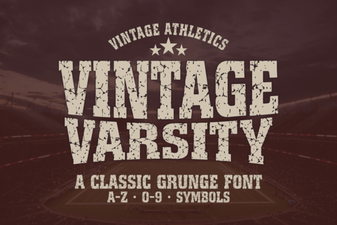 Vintage Varsity Font Styles & Download Guide
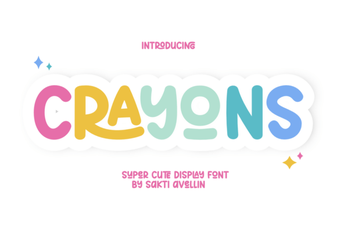 Crayons Font for Creative Diy Projects & Posters
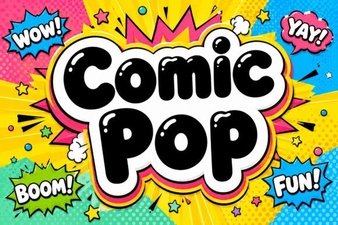 Free Comic Fonts for Creative Projects
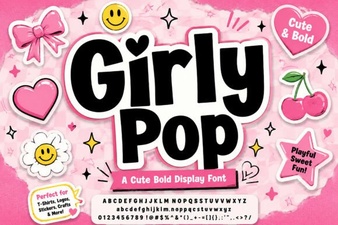 Girly Pop Fonts for Creative Projects
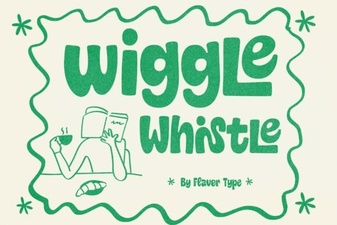 Bring Creativity to Text with Wiggle Whistle
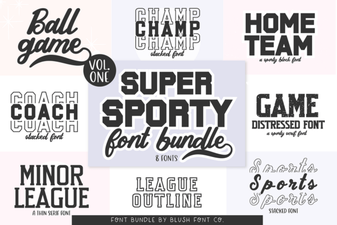 Super Sport Bundle Font: Design & Inspiration Guide