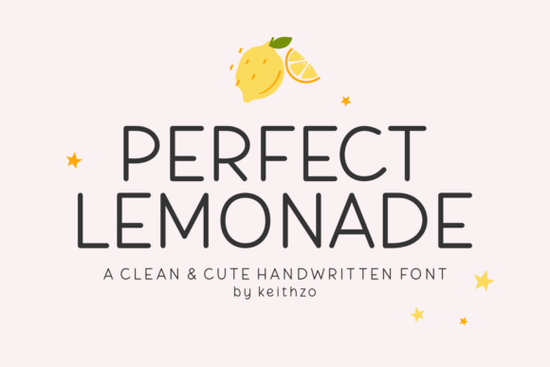
If you spend your days creating digital products, physical stationery, or print-on-demand listings, picking the right typeface often comes down to balancing personality with readability. Perfect Lemonade Font fits that balance perfectly. It delivers a clean, cheerful handwritten style that feels relaxed rather than rushed. The smooth, bubbly strokes give your letters a hand-crafted presence without sacrificing clarity. You will notice how quickly this style responds to different layouts, making it a reliable choice for everything from weekend journaling spreads to polished merchandise tags.
Why choose a relaxed handwritten style for commercial files?
Many creators assume cursive and brush-style fonts look messy when scaled down, but well-drawn designs avoid that trap entirely. The key lies in consistent stroke weight and thoughtful spacing. This particular set maintains a gentle curve that mimics natural pen pressure, which keeps text legible even on small product mockups. When you pair it with simple layouts, the letters carry warmth without overwhelming the viewer. If you prefer something slightly sharper for headlines, you might compare its structure to the modern lines found in summer-themed sans serif collections, but the rounded finish here keeps the focus firmly on approachable, everyday charm.
How does this typeface work across different business niches?
Print-on-demand sellers frequently struggle with finding one file that handles multiple categories. A single font family often falls short, so relying on strong individual typefaces becomes essential. The fluid connectivity between characters makes it highly suitable for phrase-based designs. You can easily drop longer quotes onto t-shirt transfers, mugs, or tote bags and watch the composition settle into place. Sticker pack artists also benefit from the clear negative space around each glyph, which prevents cut-line errors during vinyl routing. For planners and digital journals, the relaxed pacing encourages users to fill blank spaces without feeling pressured by rigid grid systems.
Which practical adjustments keep the design looking intentional?
Working with hand-lettered styles requires straightforward adjustments before exporting. Tightening tracking slightly maintains cohesion across longer phrases, while generous line breaks prevent cramped compositions on square canvases. Soft pastels and earthy tones complement the organic curves better than high-contrast pairings. If you regularly experiment with casual scripts, exploring similar casual typography options can help you build a versatile toolkit. You might also notice structural parallels with organic handwriting styles, though this specific script leans slightly cleaner. Understanding how these elements interact saves time during client revisions. Always verify commercial licensing terms before uploading finished artwork, since some platforms require clear usage rights for every included asset.
Browsing additional samples clarifies behavior under different lighting conditions. Downloadable previews show weight variations and ligature behavior, helping you decide whether it aligns with your current project goals. Perfect Lemonade Font includes detailed spec sheets so you can match kerning expectations before committing to bulk orders.
What should you check before finalizing your orders?
A quick quality review usually catches scaling issues before production begins. Zoom out to twenty percent to test readability, then switch to grayscale to ensure contrast holds up on muted materials. Test the font on both digital screens and printed proofs, since ink absorption can darken thin curves unexpectedly. Keeping a dedicated folder for proven combinations speeds up future batch creation and reduces revision back-and-forth.
- Verify resolution: Export all text layers as vector outlines or 300 DPI PNGs before sending to manufacturers.
- Test color pairing: Run a dark background sample to confirm white or light ink won't bleed into surrounding graphics.
- Review spacing: Adjust line height to 1.3x font size for comfortable reading on packaging labels.
- Check character limits: Measure total width against standard print margins to avoid automatic cropping.
- Document licenses: Save purchase receipts and usage guidelines in your project archive for marketplace audits.
Building a reliable workflow starts with treating typography as a structural element rather than an afterthought. Set aside ten minutes each week to organize saved drafts and annotate successful layout ratios. When you approach lettering with consistent parameters, your output stays uniform across seasonal releases. Keep experimenting with spacing and pairings, and you will quickly identify which combinations drive engagement for your specific audience.
Try It Free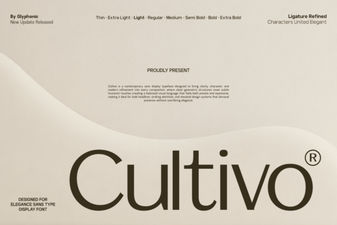 Cultivo Font: Creative Typography for Modern Design
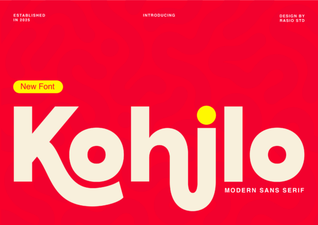 Kohilo Font: Design Ideas & Free Download
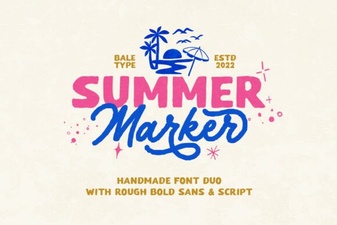 Summer Marker Fonts for Creative Projects
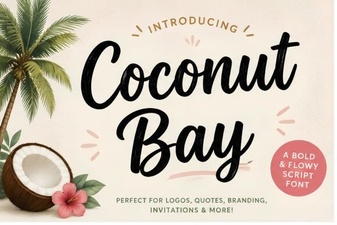 Creative Typography with Coconut Bay Font
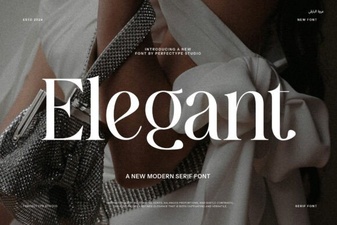 Craft Your Design with Elegant Typography
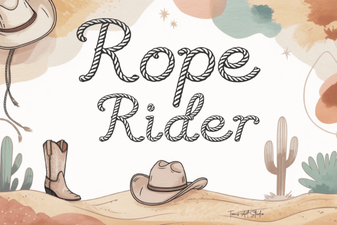 Rope Rider Font for Striking Creative Design