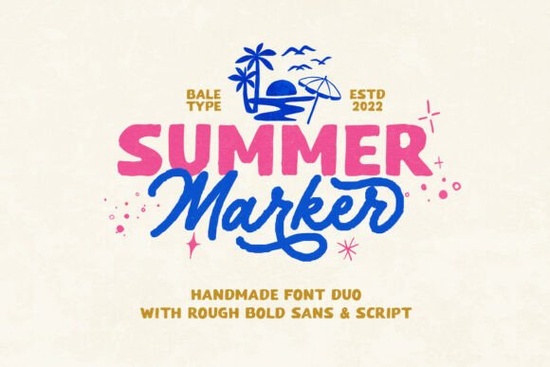
This typeface delivers exactly what modern creators need right now. The Summer Marker Font brings together a bold geometric sans and a flowing monoline script in a single package, making it highly practical for everyday design work. Whether you are crafting product labels, preparing files for a print-on-demand store, or designing social media graphics for a local cafe, having two complementary styles saves hours of searching. The rough edges and organic spacing give digital files a tactile feel without requiring custom illustration skills.
Why Choose a Two-Part Typeface Family?
Working with separate fonts often leads to mismatched weights and visual clutter that distracts from your core message. When browsing sans-serif fonts online, you will quickly see how a paired family solves these problems automatically because both pieces were designed to sit side by side. The heavier sans serif anchors your layout and provides clear readability for headlines, while the lighter script draws attention to short quotes or brand names. Many creators layer styles like this with other organic options such as Kohilo for added texture, or switch to cleaner cuts like Cultivo for minimalist packaging. If you need something brighter and more playful, checking out Perfect Lemonade rounds out a summer-themed collection nicely.
Where Does This Style Fit Best in Your Workflow?
Retailers who sell physical products know that packaging shapes buying decisions before a customer even reads the details. The irregular strokes and casual structure work beautifully on mugs, tote bags, apparel tags, and sticker sheets. For small business owners running email newsletters or seasonal promotions, pairing the bold weight with a neutral background keeps announcements scannable. Crafters often use the script portion for handwritten-style invitations or boutique bakery signs. Because the letters avoid perfect symmetry, they blend well with watercolor textures and vintage photography. Hobbyists appreciate how the style avoids corporate stiffness while still looking polished enough for retail shelving.
Can You Trust the Spacing Across Different Languages?
One overlooked detail that trips up independent designers is glyph coverage. Missing accents or broken ligatures create unprofessional results. This duo includes extended language support, which means diacritics, special characters, and regional punctuation render correctly without manual fixes. When you set text blocks longer than three lines, the consistent stroke width prevents eye fatigue, while the script remains legible enough for quick reading. Before finalizing artwork, always export a test PDF and check alignment on actual material dimensions. Scaling down too quickly can sometimes blur the intentional rough edges, so keep your canvas resolution high during drafting.
How Do You Prepare Files for Safe Commercial Use?
Getting publication-ready output depends on how you handle outlines and color separation. Once your composition feels balanced, convert the text to paths before sending files to commercial printers. This step removes font substitution errors and locks in the exact spacing you adjusted in your workspace. Keeping a master document with editable layers allows you to tweak colorways later without redrawing everything. For creators building cohesive brand kits, maintaining a shared asset folder speeds up future projects. You can explore similar options through dedicated search portals like Summer Marker Font to find matching brushes or vector elements.
Implementation Quick Checklist
Before exporting your final artwork, run through these steps to ensure smooth production:
- Verify language packs match your target audience’s spelling conventions.
- Convert all text to outlines to prevent printer font substitutions.
- Test contrast ratios between the dark sans and light script against your chosen background.
- Export at minimum 300 DPI for physical merchandise or large format printing.
- Archive source files with clear naming conventions so you can revisit campaigns later.
Starting a new project becomes much faster when you trust your tools to handle the heavy lifting. Pick a base layout, drop in the headline, add supporting copy underneath, and adjust spacing until the rhythm feels natural. Keep experimenting with letter spacing and baseline shifts to discover combinations that match your personal aesthetic.
Learn More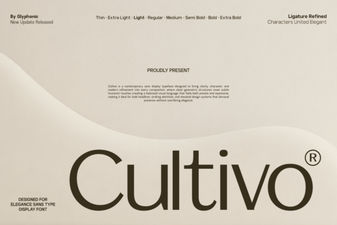 Cultivo Font: Creative Typography for Modern Design
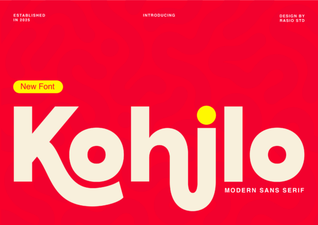 Kohilo Font: Design Ideas & Free Download
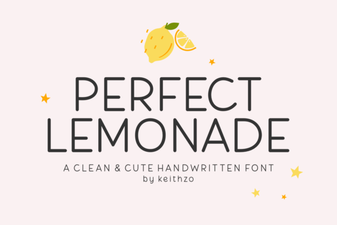 Design Ideas for a Refreshing Lemonade Font
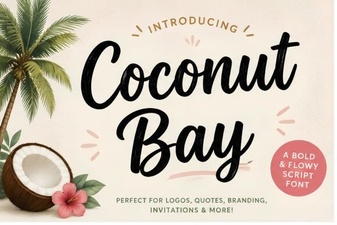 Creative Typography with Coconut Bay Font
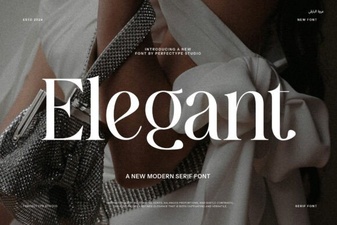 Craft Your Design with Elegant Typography
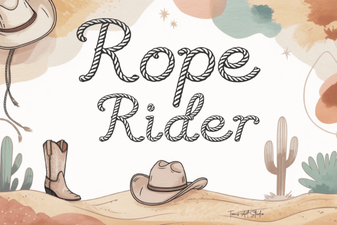 Rope Rider Font for Striking Creative Design