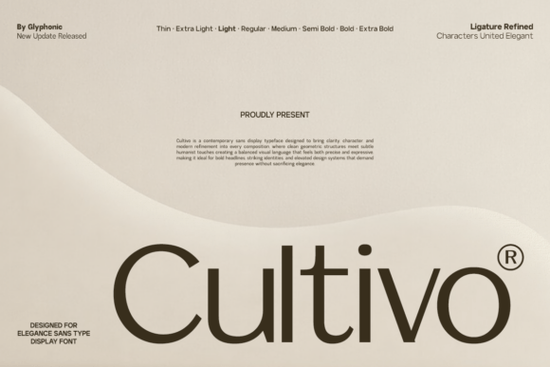
When you need a typeface that reads clearly across screens while still carrying a distinct personality, looking for a contemporary sans display often points toward well-balanced letterforms. Cultivo Font fits that space by merging strict geometric shapes with gentle humanist curves. You will notice how the characters maintain steady proportions without feeling rigid, making it straightforward to pair with supporting text or use alone for headlines. The open counters and consistent stroke weights help letters breathe, which matters whether you are setting navigation menus, printing product labels, or designing app interfaces.
Why does this style stand out in professional design systems?
The core strength lies in its restraint. Rather than relying on heavy stylistic flourishes, the designer focused on precise visual harmony. Every angle connects cleanly, and the subtle variations in curve timing keep the reading flow smooth. You get elegant ligatures built right into the character set, so words like “fi” or “fl” shift automatically without breaking the overall rhythm. That kind of attention to detail saves hours during layout work, especially when you are preparing files for clients who expect polished typography from day one. If you frequently browse through curated collections, you will appreciate how this cut compares to other modern sans serif releases that prioritize readability over trend-driven shapes.
Which project types benefit most from these features?
Small businesses and print-on-demand creators usually need versatile assets that survive both digital previews and physical prints. High contrast backgrounds, fabric textures, or metallic foils can sometimes crush fine details, but the solid structure here holds up well. Crafters working on sticker sheets or packaging often look for fonts that remain legible at small sizes while still carrying enough presence to catch the eye. Tech startups and freelance web designers also lean toward this style because the uniform spacing reduces awkward gaps between words. You can drop it into dark mode interfaces without worrying about harsh pixel edges, and switching to light mode keeps everything soft against white backgrounds.
Should you pair it with something lighter or more decorative?
Balancing a strong headline type usually requires a simpler companion body text, but mixing weights within the same family creates cohesion without extra cost. When you need a softer contrast for casual campaigns or handmade aesthetic boards, stepping outside strict geometry can refresh the entire composition. Many creators combine structured displays with friendly script alternatives or textured brush styles to build layered visuals. For example, swapping into a minimalist sans series works well for dashboard elements, while reaching for hand-drawn marker styles adds warmth to greeting cards and summer-themed merchandise. Pairing those with juicy citrus-inspired accents gives seasonal products immediate visual energy without cluttering the layout.
How do you actually use the files once downloaded?
Most modern workflows rely on OpenType or TrueType formats, which support advanced glyph substitutions and multi-language character sets. Before uploading anything to mockup generators or direct-to-garment printers, always double-check the kerning pairs and test the full width of your longest line. Lowercase letters should sit comfortably alongside caps, and special symbols must align correctly with the baseline. Testing on actual materials early prevents costly reprints later. Creators who want to explore additional weight options or extended punctuation typically find them listed under the main Cultivo Font page, where updated version notes and commercial usage guidelines are posted alongside the download button.
Keep these items in mind before finalizing your export settings:
- Set bleed margins if your layout touches the edge of a printed sheet.
- Convert outlines only after verifying that every custom ligature appears exactly as intended.
- Save separate web-ready versions with compressed size for faster loading times.
- Document your chosen tracking and leading values so future designers can replicate the spacing quickly.
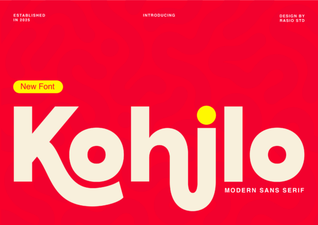 Kohilo Font: Design Ideas & Free Download
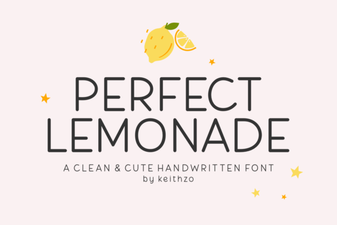 Design Ideas for a Refreshing Lemonade Font
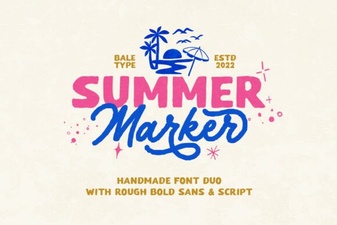 Summer Marker Fonts for Creative Projects
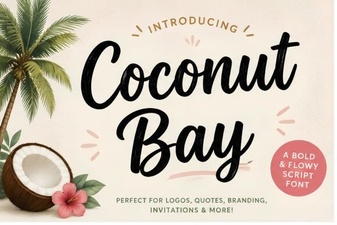 Creative Typography with Coconut Bay Font
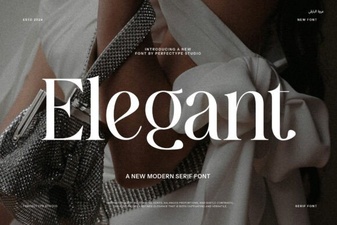 Craft Your Design with Elegant Typography
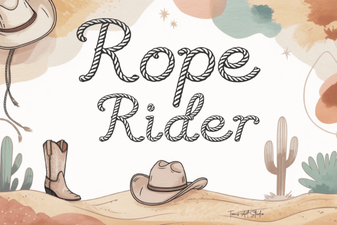 Rope Rider Font for Striking Creative Design