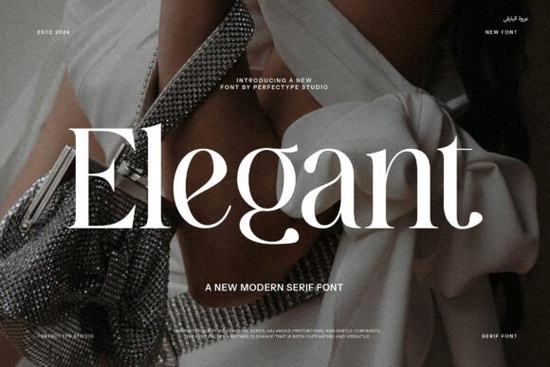
Choosing the right typeface often comes down to the mood you want to set. An Elegant Font relies on smooth, flowing shapes with fine strokes and gentle curves to create a polished appearance without feeling overly formal. Whether you are designing wedding invitations, planning a boutique packaging layout, or preparing files for a print-on-demand store, the right lettering can instantly communicate quality and attention to detail. Crafters and small business owners frequently reach for these styles when they need their projects to feel refined yet approachable.
When should you choose a graceful typeface for your project?
You will notice the best results when typography supports your brand’s core message instead of competing with it. High-end retail labels, minimalist greeting cards, and lifestyle blogs all benefit from characters that read easily while still catching the eye. If you are working on custom mug designs, wall art, or event stationery, picking a style with clean proportions helps your artwork stay legible across different sizes and mediums. Many creators also lean toward these designs when collaborating with clients who want a timeless aesthetic rather than a trendy novelty. Exploring related serif-style options can give you additional variations that maintain that same refined balance while offering slightly more traditional letterforms.
How do you pair graceful lettering with readable body text?
The secret lies in contrast. A display style works beautifully for headlines, signatures, or short phrases, but it usually needs a sturdy companion for longer passages. Pairing a delicate script with a neutral sans-serif or a straightforward serif keeps your layout balanced and prevents visual fatigue. You can maintain hierarchy by adjusting weight, size, and spacing rather than switching between too many competing styles. Consistent tracking and open kerning pairs let the thinner strokes breathe, which is especially important when printing on textured paper or applying designs to fabric.
Why do thin lines and curved strokes matter in digital and print work?
Curved paths mimic handwriting and calligraphy, which naturally draws the human eye along the baseline. Thin lines reduce visual clutter, making them ideal for overlays on photos, subtle watermark effects, or minimalist logo marks. However, those same delicate features require careful resolution management. If your output targets high-resolution web displays or professional offset printing, you will want to verify vector compatibility and test how the lightest weights reproduce at smaller sizes. Checking preview modes on mockups helps you catch unintended gaps or broken connections before sending files to production.
Finding the right character set goes beyond simply scrolling through thumbnails. You should examine available ligatures, alternate glyphs, and punctuation marks that fit your specific niche. A well-rounded package includes proper accents for international text, currency symbols, and stylistic alternates that help logos stand out. Testing your preferred Elegant Font against actual project backgrounds reveals how well the strokes hold up under pressure. Real-world testing saves revision cycles and keeps your workflow efficient.
What checks should you run before locking in your typography?
Quality control matters just as much as initial inspiration. Run through this quick sequence to ensure your design prints and displays exactly as intended:
- Verify licensing scope: Confirm whether your purchase covers commercial products, POD platforms, and client work.
- Test export formats: Save vectors for crisp scaling and high-DPI PNGs for transparent web overlays.
- Check color reproduction: Light gray or white lettering often disappears on busy backgrounds; adjust contrast or add subtle drop shadows if needed.
- Preview at final dimensions: Resize your canvas to match the actual product size to spot spacing issues early.
- Audit accessibility: Ensure sufficient color contrast for screen readers and users with low vision settings.
Typography shapes how people perceive your brand long after they stop looking at individual elements. By selecting lettering that matches your audience expectations and verifying technical details upfront, you create materials that feel intentional and professional. Keep a curated folder of your favorite combinations, note which pairings convert best in your sales analytics, and update your templates seasonally. Ready to refine your next layout? Download a tested character set, apply consistent spacing rules, and export your proofs using the highest resolution your printer recommends.
Download Now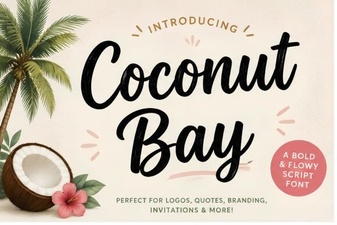 Creative Typography with Coconut Bay Font
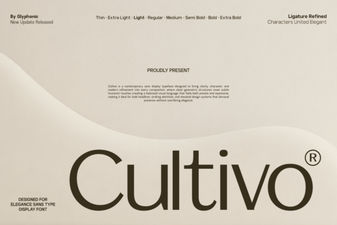 Cultivo Font: Creative Typography for Modern Design
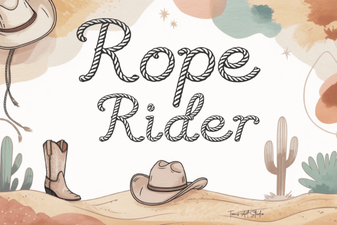 Rope Rider Font for Striking Creative Design
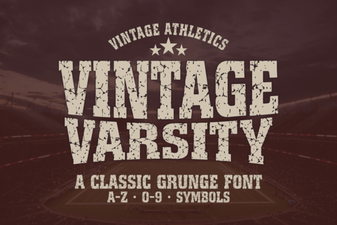 Vintage Varsity Font Styles & Download Guide
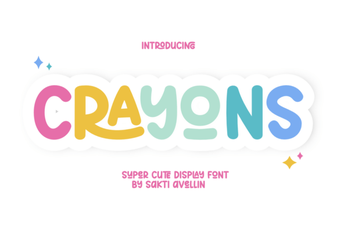 Crayons Font for Creative Diy Projects & Posters
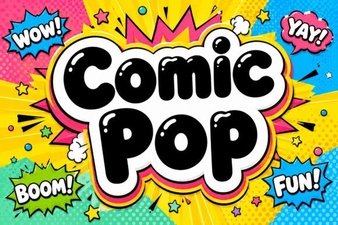 Free Comic Fonts for Creative Projects