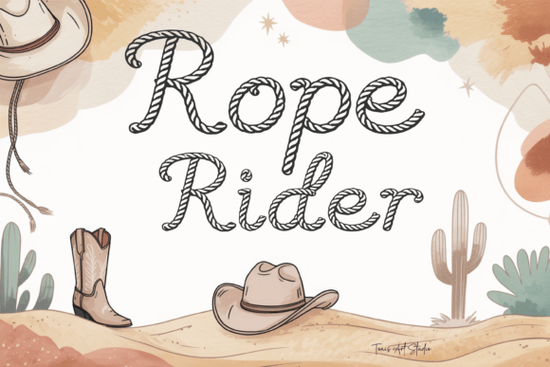
If you build western branding or craft digital files for cutting machines, finding a typeface that actually holds up under close inspection can be frustrating. Many decorative alphabets lose their shape when scaled down or converted to vector paths. The Rope Rider Font solves that by mimicking the physical tension of a braided lasso while keeping every character legible and well-proportioned. Instead of forcing jagged edges or heavy grunge effects, this typeface uses smooth, continuous curves that suggest rope movement without sacrificing readability. Whether you are drafting a storefront sign or preparing a sublimation template, the weight distribution feels intentional rather than accidental.
Why choose a twisted rope style for western projects?
Western aesthetics often rely on heavy slab serifs or distressed textures, but those approaches quickly look dated when printed on modern materials. A braided rope silhouette brings instant atmosphere because it references actual ranch tools and rodeo equipment. The overlapping strands create depth, which translates well to heat transfer vinyl and laser engraving where shadow lines matter. You can pair these letters with matte kraft paper backgrounds or metallic foils, and the typeface still reads clearly. If your current workflow leans toward intricate monograms, exploring simpler thematic options like the ones found in our butterfly monogram font decorative fonts collection might help balance detail-heavy layouts.
How do I prepare this alphabet for cutting machines?
Crafting with a rope-style typeface requires slightly different handling than standard display fonts. The overlapping curves mean you will want to adjust line spacing and kerning before sending files to Cricut Design Space or Silhouette Studio. Increase tracking by two to four percent so the rope segments do not merge during cutting. When working in Procreate or Adobe Illustrator, convert all outlines early and double-check anchor points on the curved joints. Thin gaps between the simulated rope twists may snag on fine blade tips, so set your blade pressure to medium and run a quick test cut on cardstock. For digital mockups and POD templates, export the text as PNG layers with transparent backgrounds to preserve the negative space that makes the lasso effect work.
You can access the full family and preview additional weights through the official source at Rope Rider. Having the complete character set available gives you flexibility when drafting longer project titles or adjusting baseline alignment across multiple design layers.
Where does this style perform best in client work?
This typeface fits naturally into rustic retail environments, outdoor event branding, and lifestyle merchandise. Small business owners often pair it with clean sans-serif subtitles to maintain readability on packaging labels or tote bags. Children’s activity books benefit from the clear stroke width, while adult coloring pages gain interest from the textured letterforms. Social media graphics also respond well to the bold silhouette, especially when combined with earth tones like terracotta, sage, and saddle brown. If you usually search for novelty displays for themed parties or gaming merch, swapping a playful option like the pokenom font decorative fonts selection for a grounded western script can instantly shift a campaign toward a more mature market.
What settings keep the rope strokes sharp in production?
Printing and cutting workflows demand consistent edge quality, and rope textures can blur if output resolution drops too low. Always rasterize or outline at 300 DPI minimum for domestic printers, and increase line weight slightly when scaling below three inches. Laser engravers handle the layered strand effect beautifully on wood or leather blanks, but slow the feed speed to prevent charring along tight curves. For sublimation transfers, preheat your press evenly and apply medium pressure to let the fibers accept the ink without crushing the raised rope illusion. Checking spacing consistency before each batch saves material waste and keeps turnaround times predictable.
When planning future projects, review the complete archive at rope rider font decorative fonts to see how different weight variations match your specific layout requirements. Switching between bold headlines and lighter body text within the same stylistic family creates visual hierarchy without breaking the western theme.
Quick production checklist
- Kerning adjustment: Add 2–4% tracking to prevent overlapping rope segments from fusing during cuts.
- Test cut first: Run a single phrase on scrap vinyl or cardstock to verify blade depth and curve accuracy.
- Export settings: Save vector files as SVG or PDF for cutting software; use 300 DPI PNG for direct print workflows.
- Layer separation: Separate headline text from subtitle copy early so you can apply contrasting colors or materials without reshaping elements.
Apply these adjustments consistently, and your western-themed prints will maintain crisp edges whether they travel on hats, hang on barn doors, or live on digital screens. Keep a master folder for optimized spacing presets so you can reuse them across upcoming seasonal releases.
Learn More Designing with the Pokenom Font: Project Tips
 Butterfly Monogram Fonts for Creative Lettering Projects
 Creative Typography with Coconut Bay Font
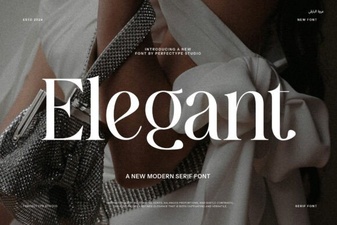 Craft Your Design with Elegant Typography
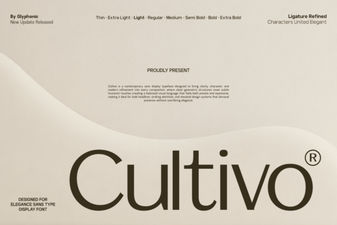 Cultivo Font: Creative Typography for Modern Design
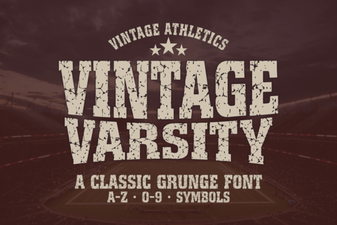 Vintage Varsity Font Styles & Download Guide