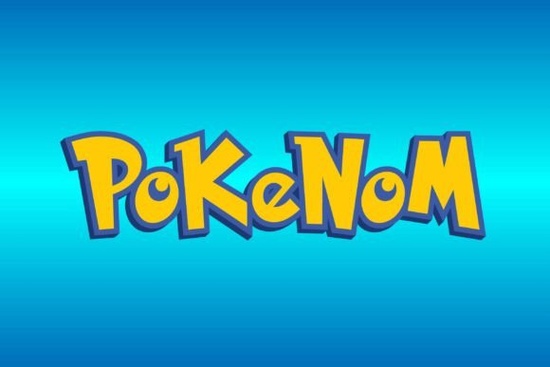
If you are looking for a typeface that captures both playful energy and structured detail, Pokenom Font delivers exactly that balance. This decorative alphabet blends gothic-inspired flourishes with a distinctly cartoon-friendly shape, making it highly readable while still standing out on any surface. Designers who work with youth-oriented branding, independent game developers, and print-on-demand creators frequently reach for this style because it cuts through visual clutter without feeling childish. The letterforms carry enough weight to hold their own on packaging, yet the rounded edges keep them approachable for everyday graphics.
Why does this typeface work well for cartoon and gaming projects?
When typography needs to convey motion or fantasy, the difference between a standard display font and a purpose-built character set becomes obvious. Each glyph was drafted with intentional curves that mimic hand-drawn storybook illustrations while maintaining strict alignment. That attention to spacing means your text blocks stay tight and professional, even when scaled down for mobile screens or embroidered caps. For POD sellers running t-shirt mockups or poster prints, this consistency translates directly into faster turnaround times.
How do I use it in commercial design projects?
Bringing a decorative alphabet into production starts with understanding its core character set. This design includes ninety-five unique characters alongside ninety-six carefully spaced glyphs, giving you plenty of room to experiment with mixed-case layouts or all-caps headlines. The heavy weights respond well to screen printing techniques, water transfer vinyl, and direct-to-film transfers, which explains why crafters and boutique apparel makers often list it among their top tools. You can easily drop the file into vector programs like Illustrator or Inkscape, convert the paths, and adjust the tracking to match specific brand guidelines. Because the shapes rely on clean geometric foundations, scaling them up for large banners or down for phone wallpapers rarely introduces jagged edges.
Which styling tricks help maximize its visual impact?
Pairing thick letterforms with lighter supporting elements keeps your compositions from feeling weighed down. Try applying a subtle drop shadow or a soft gradient overlay to separate the headline from busy product photography. Using contrasting colors like deep navy against warm cream creates immediate readability without sacrificing the playful vibe. You might also test split-color treatments where half the letters receive a solid fill and the other half get an outlined stroke. These adjustments work especially well for convention posters, indie campaign materials, and themed event flyers.
What other decorative styles pair well with it?
Mixing complementary typefaces allows you to build complete typographic systems rather than relying on a single font. If your project calls for something more elegant to balance the heavier display wordmarks, a refined monogram style adds instant sophistication without competing for attention. When your layout requires rugged textures or western-inspired accents, swapping in a distressed rider-style alphabet grounds the design and prevents the overall look from drifting into overly bright territory. Comparing how different stroke weights interact on the same canvas helps you avoid visual fatigue.
Where can I find reliable sources for this typeface?
Securing proper licensing ensures your commercial work stays protected while supporting the creators behind the alphabet. Platforms that specialize in verified designer uploads typically provide clear usage terms, high-resolution source files, and regular updates when new glyphs are added. Visiting a curated marketplace lets you compare pricing tiers and review community feedback before purchasing. Checking the official listing at Pokenom Font gives you direct access to supported formats and detailed installation instructions.
Quick setup checklist before you start designing:
- Verify that your design software supports OpenType or TrueType formatting before importing the archive.
- Extract the downloaded files and check the included license agreement for POD and broadcast rights.
- Create a quick swatch sheet testing uppercase, lowercase, and numerals at twenty-four point size to catch spacing issues early.
- Set up baseline guides in your workspace so decorative ascenders align consistently across multiple text boxes.
- Export preview PDFs at three hundred dots per inch before sending artwork to commercial printers or embroidery machines.
Once your proof looks balanced on screen, run a physical test print on the actual material you plan to use. Paper stock, fabric tension, and transfer coatings all interact differently with bold decorative strokes, so watching how the ink settles on your chosen substrate saves material waste and keeps client approvals smooth. Adjust your line weight or add a thin protective halo around intricate cuts if the output looks too dense under heat press conditions. Small tweaks during this stage keep your final rollouts looking crisp and professionally finished.
Explore Design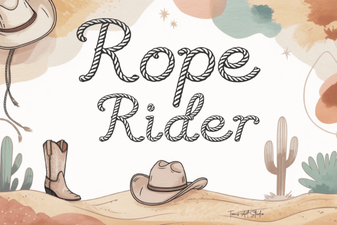 Rope Rider Font for Striking Creative Design
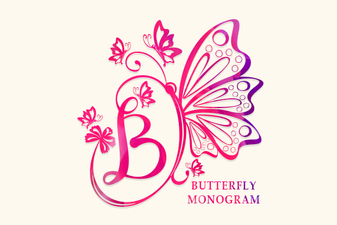 Butterfly Monogram Fonts for Creative Lettering Projects
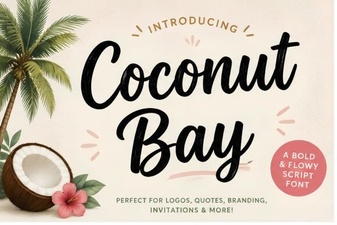 Creative Typography with Coconut Bay Font
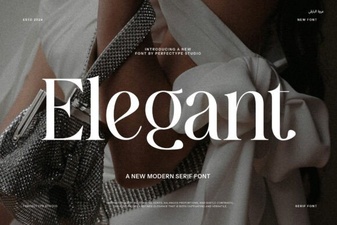 Craft Your Design with Elegant Typography
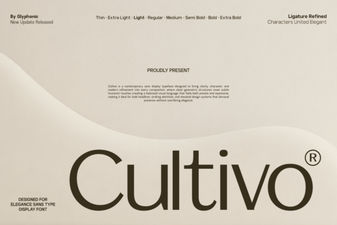 Cultivo Font: Creative Typography for Modern Design
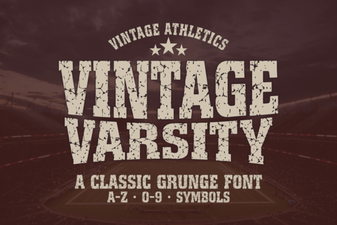 Vintage Varsity Font Styles & Download Guide