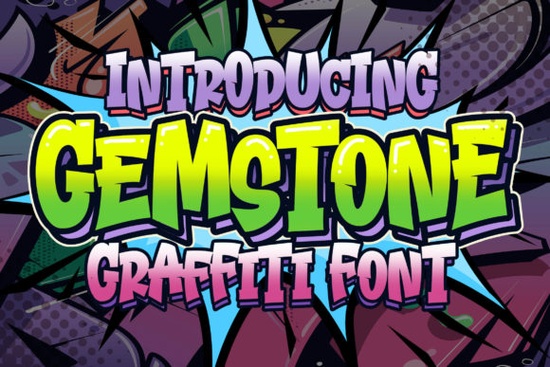
If you are looking for a clean, modern typeface that adds instant edge to your layouts, Gemstone Font fits that need perfectly. Designed with an urban, outlined display aesthetic, it brings a relaxed yet structured feel to titles, logos, and merchandise graphics. The open counters and consistent stroke weight make it highly legible at both large sizes for posters and smaller scales for product tags. Designers, crafters, and print-on-demand sellers frequently choose this style because it bridges casual comfort with professional polish.
What makes this outlined display typeface stand out?
The design relies on thin outer strokes surrounding solid letterforms, creating a subtle depth without heavy visual weight. This technique works especially well when layered over textured backgrounds or paired with hand-drawn illustrations. Because the characters maintain uniform spacing and balanced proportions, your composition stays readable even when rotated or distorted. Many creators prefer this approach for streetwear brands, skate shop signage, and casual cafe menus where a polished but unpretentious vibe is required. When testing weights and colors, stick to high contrast pairings so the negative space inside each character remains visible and sharp.
Where does it work best in your projects?
You will find immediate applications across small business branding kits, digital planners, and apparel mockups. Layer the letters over denim textures, concrete backdrops, or muted earth tones to amplify the urban feel. For t-shirt designs, combine the main title with smaller supporting text in a simple sans-serif or mono-spaced face. If your project leans toward something softer or more playful, you might later explore options like crayon-style displays or trendy feminine typography. Both offer distinct personalities while keeping that same casual, handcrafted energy.
How do you prepare it for commercial printing?
Before exporting vector files for screen printing or vinyl cutting, verify that all paths are properly closed and outlines converted. Opened contours often cause bleed issues on heat-transfer paper or direct-to-film transfers. Set your document resolution to at least 300 dpi if working in raster formats, and check kerning pairs manually since automatic tracking can sometimes loosen tight letter combinations too much. Adding a drop shadow or double outline in your design software usually enhances readability on busy backgrounds. Test color separations early, especially if you plan to run spot colors instead of full CMYK runs.
Which similar styles complement this look?
Finding the right companion typeface improves hierarchy and keeps your layout from feeling monotonous. A sturdy block serif or minimal geometric sans works alongside this outline system without competing for attention. For seasonal campaigns that call for a worn, vintage touch, browsing textured distressed alphabets creates a nice contrast against the cleaner cut of your primary headline. Seasonal collections also benefit from rounded, chunky alternatives like plump display faces or soft-edged rubber types such as glossy bubble lettering. Mixing these carefully prevents visual clutter while maintaining a cohesive brand voice across packaging and storefront signage.
Where can you download the files securely?
Licensed assets should always come from verified marketplaces that provide transparent usage rights and regular updates. You can preview how the characters render on mockups before purchasing by checking live galleries. For a quick reference sample set, visit the official showcase for Gemstone Font. Most creators receive TTF, OTF, and WOFF variants along with documentation covering licensing tiers and export guidelines. Verify commercial scope if you plan to scale production quickly, and keep backup copies organized by project date to streamline future revisions.
Ready to put the typeface to work? Follow this quick preparation checklist before sending files to production:
- Open your design software and set the color mode to CMYK for accurate print output.
- Select your text layer and convert all characters to editable outlines.
- Inspect every anchor point to ensure closed shapes and smooth curves.
- Run a single-color proof at final size to verify contrast against your background texture.
Once you have confirmed spacing and export settings, order a physical test print and review the result under natural daylight. Adjust line height or letter spacing only if the hard copy reveals readability issues during actual handling.
Download Now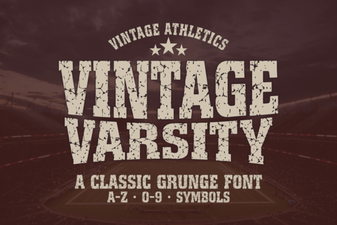 Vintage Varsity Font Styles & Download Guide
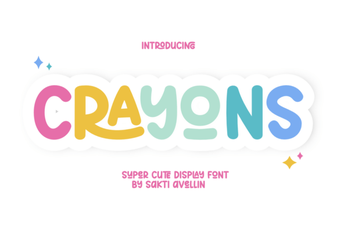 Crayons Font for Creative Diy Projects & Posters
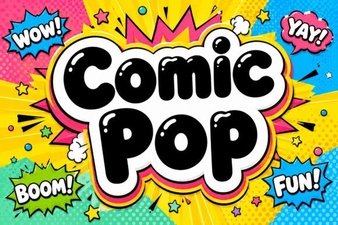 Free Comic Fonts for Creative Projects
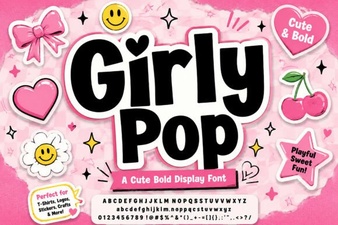 Girly Pop Fonts for Creative Projects
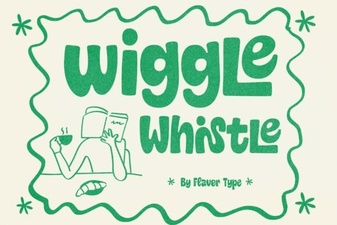 Bring Creativity to Text with Wiggle Whistle
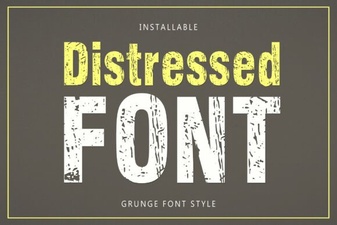 Distressed Font Designs for Authentic Digital Art Projects