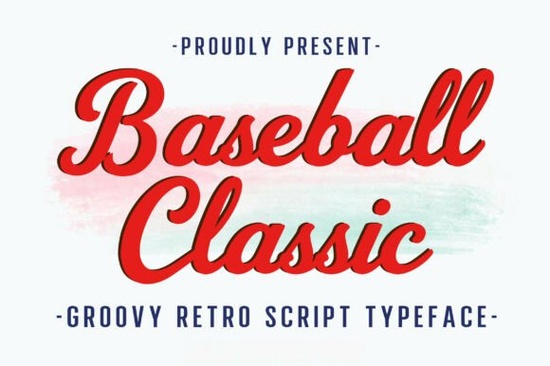
If you are looking for a typeface that brings immediate energy to sports-themed projects or vintage-inspired layouts, the Baseball Classic Font delivers exactly that without trying too hard. This style bridges traditional athletic lettering and modern hand-drawn scripts, making it a reliable choice for print-on-demand stores, custom apparel labels, and small business branding. Crafters and digital creators often pair it with muted earth tones or high-contrast backgrounds to let the letterforms stand out on mugs, hats, and tote bags.
How does this style fit into everyday merchandising?
Retro sports typography stays relevant because it feels familiar yet fresh. Heavy curves and brushstroke details create a tactile look that reads well at small sizes. Marketplaces consistently show strong engagement on listings with nostalgic lettering during seasonal drops. Business owners typically choose this family when they want an approachable brand voice instead of a rigid corporate feel.
The character set includes full uppercase and lowercase options, numerals, and standard punctuation marks. That completeness saves time when setting up layer files for cutting machines or preparing high-resolution PNGs for direct-to-garment printing. The spacing remains balanced enough to work on curved text paths without aggressive warping tools.
Which complementary typefaces should you test alongside it?
Mixing display scripts with clean sans serifs keeps designs from feeling dated. For cozy aesthetics, this warm rounded alternative creates contrast while maintaining legibility. Lifestyle niches pair smoothly with a flowing companion style for longer quotes. Explore fruity thin scripts or gentle cursive variations for outdoor gear or home decor shops.
Limiting your toolkit to three type families per brand kit improves visual hierarchy. Keep one heavy display face, one neutral body text, and this script as your accent layer. That structure prevents clutter when customers scan product pages quickly on mobile devices.
What technical details matter before purchasing a license?
Before dropping assets into production, verify the included file formats and licensing scope. Commercial packages typically deliver TTF, OTF, WOFF, and transparent PNG outlines, which covers cutting plotters, web embedding, and textile transfers. A proper commercial license allows unlimited physical and digital sales, so you do not need to track individual order volumes. Always check the terms for marketplace restrictions, since some platforms require explicit font documentation during approval.
If you need a quick reference to the full family, visiting the Baseball Classic listing gives you access to preview tools, size scaling, and bundle options. Testing the glyphs in your software early helps catch kerning adjustments before committing to bulk runs.
What should you verify before launching?
Run a test print on scrap material first. Check how the thinnest hairline strokes hold up against fabric grain or ceramic coatings. Adjust baseline placement slightly upward if your final piece sinks into textured materials. Ask a second designer to review the kerning pairs before export. Small adjustments now prevent return requests later.
Your pre-launch verification checklist
- Confirm the commercial license covers your intended sales channels.
- Export files in both vector PDF and 300 DPI PNG formats.
- Test color contrast ratios on actual product mockups.
- Audit spacing so logos never touch text edges.
- Save layered source files with clear naming conventions.
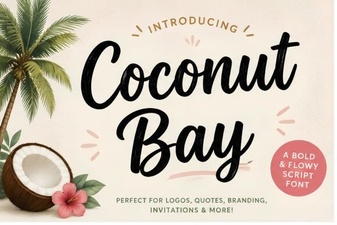 Creative Typography with Coconut Bay Font
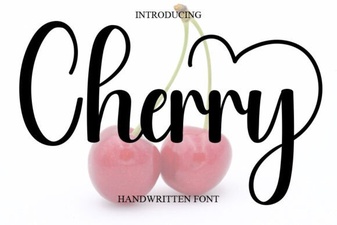 Introducing the Cherry Font for Modern Design Projects
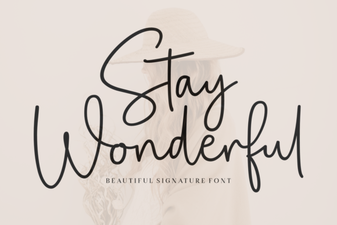 The Wonderful Stay Font: Design Projects & Creative Uses
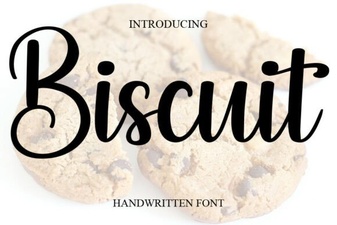 Biscuit Font: Creative Design Tips & Typography Ideas
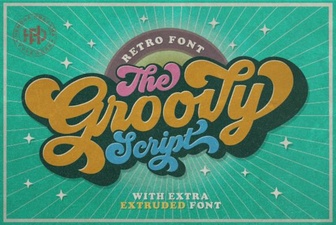 Groovy Font Styles for Modern Web Design
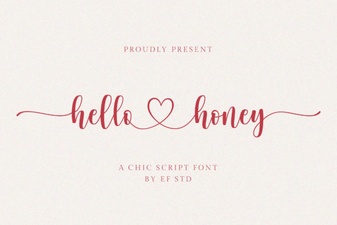 Hello Honey Font: Creative Design Ideas