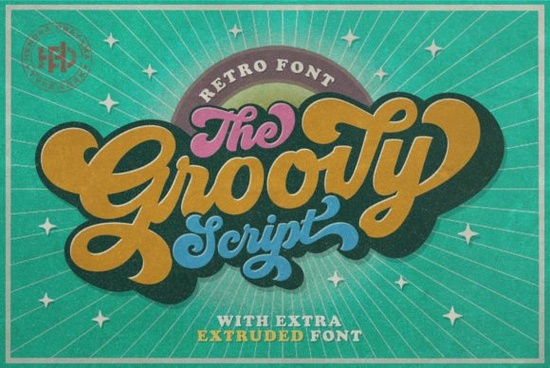
If you are working on a vintage-inspired logo or a throwback social media graphic, Groovy Font gives your layout that authentic late sixties feel right away. This script typeface pulls its shape from mid-century print ads, hand-lettered signage, and classic brand packaging. You get smooth curves, soft loops, and a relaxed flow that reads clearly even at smaller sizes. Crafters who make custom stickers, print-on-demand sellers adding retro merch, and small business owners branding their shop will find it easy to drop into any project without fighting kerning gaps.
How does this typeface fit into different creative projects?
The letterforms carry a casual, handwritten energy without looking messy. That balance makes it work well for everything from wedding invitations to café menus. When you pair it with a solid sans-serif for body text, you keep the design readable while still grabbing attention. Many creators already explore similar options when building a full style kit. You might want to check out Coconut Bay for a looser surf aesthetic, or compare how Honeymoon Handwriting handles tighter spacing on smaller labels. If your project needs a cleaner look, Better Together offers a refined alternative, while reviewing this exact script page helps you verify the downloadable file structure before purchase.
What features should you check before downloading?
Always open the preview sheet to see the complete character set. Look for punctuation marks, numbers, and accented letters if your brand works with international audiences. Test the font at both large display sizes and tiny print dimensions to confirm legibility. File formats usually include standard desktop packages and web-ready licenses, which matters if you plan to embed the typeface on a storefront or portfolio site. Reading through the included readme file saves time later, especially regarding commercial usage limits and attribution rules. You can also browse other vintage-inspired choices like Cherry Script to verify which weight and stroke width best matches your current mockups.
How do you style it without losing readability?
Retro scripts thrive on contrast. Pair the flowing capitals with a neutral background and keep the copy tight. Overcrowding these curves makes the text hard to scan, so leave generous negative space around the main message. Try setting the headline on a subtle texture or a muted color block to mimic aged paper or vintage cardboard. For supporting information, switch to a geometric sans or a clean slab serif that won’t compete with the decorative elements. You will also notice how slanting the text slightly backward enhances that nostalgic momentum, while keeping it perfectly upright maintains a modern studio look. Both approaches work, but you should decide early so your hierarchy stays clear.
Where can you explore official specs and usage guidelines?
Designer resources and typography databases often archive older revival styles for educational purposes. If you want to study the original ad campaigns that inspired this kind of hand-drawn branding, visiting a dedicated archive helps. You can pull direct inspiration from the Groovy collection page to view live previews, test different weights, and download the files directly to your workstation. Once installed, run a quick proof on your actual printer or upload it to your design software to catch any scaling quirks before committing to a full production run.
Which industries benefit most from this style?
Coffee roasters, boutique bakeries, and independent apparel shops often lean into nostalgic typography because it signals craftsmanship and approachability. The soft edges reduce visual harshness, making products feel more inviting on shelves or in digital catalogs. Craft fair vendors appreciate how quickly these shapes reproduce on vinyl cutters and heat press transfers without losing detail. Even podcast cover artists and newsletter writers use scripts like this to establish a recognizable visual voice across multiple touchpoints. If you frequently rotate themes for seasonal drops, keeping a library of tested typefaces streamlines your workflow. You spend less time adjusting tracking and more time refining layouts.
Quick setup checklist
- Install the font on your operating system before opening design software.
- Create a separate text layer for headlines and body copy to isolate adjustments.
- Export a PDF proof at actual print size to verify crisp edges.
- Save a version with expanded tracking if you plan to overlay graphics.
- Keep the license document in your project folder for future reference.
Next step: Build a two-color composition using this script alongside a neutral geometric family. Compare the results side by side, then lock your preferred hierarchy into a reusable template for faster seasonal updates.
Try It Free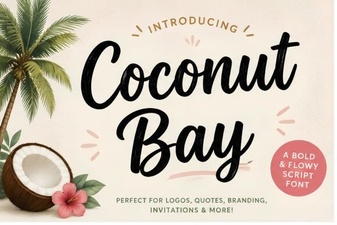 Creative Typography with Coconut Bay Font
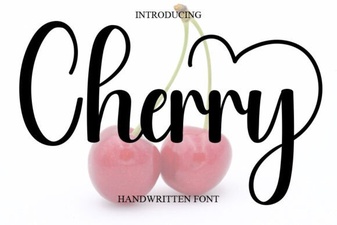 Introducing the Cherry Font for Modern Design Projects
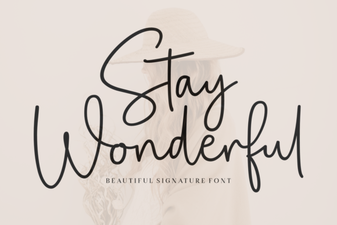 The Wonderful Stay Font: Design Projects & Creative Uses
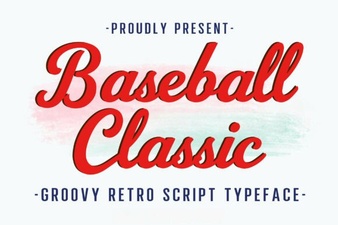 Baseball Font Design for Your Creative Sports Projects
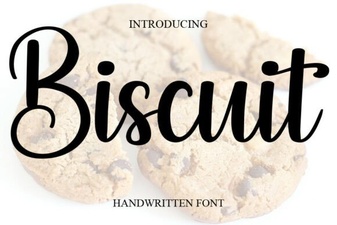 Biscuit Font: Creative Design Tips & Typography Ideas
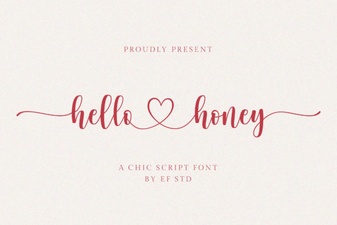 Hello Honey Font: Creative Design Ideas