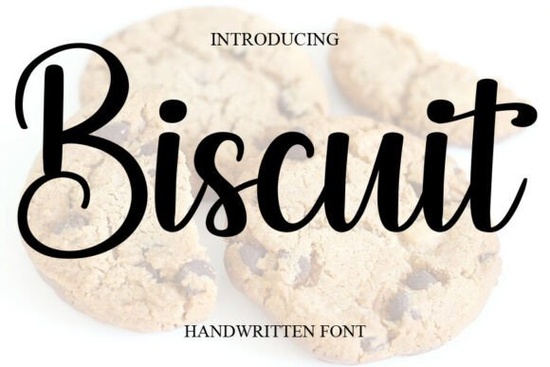
When you need a typeface that feels personal but still reads clearly at a glance, a well-crafted cursive style often solves the problem. Biscuit Font is designed to bring that gentle, handwritten quality straight into your layouts. It works particularly well when you want to add a soft, romantic feel without sacrificing readability. Crafters and print-on-demand sellers frequently reach for this kind of typeface because it bridges the gap between polished branding and relaxed, approachable aesthetics.
Why does a soft script improve everyday design projects?
Gentle letterforms reduce visual tension on the page. Instead of relying on heavy graphics, a smooth handwritten style guides the eye across headlines. Small business owners notice that customers respond positively to designs that feel crafted by hand rather than assembled by default system fonts. This typeface delivers that warmth while maintaining consistent stroke weight, keeping it legible when scaled down for product labels.
You will find it especially useful for bridal stationery, thank-you notes, or boutique packaging. The flowing connections between letters mimic natural pen movement, giving printed pieces a tactile impression. Building a brand identity around cafes or handmade goods becomes easier when a playful script replaces complex iconography. Pair it with clean sans-serifs for pricing lists, allowing both styles to coexist without competing for attention.
Typography selection simplifies when you understand how different script families serve distinct moods. For instance, a classic sports-inspired script brings athletic energy to event posters, while a warm, flowing alternative works beautifully in kitchen decor. Meanwhile, a rustic hand-lettered option suits farmhouse branding, and an uplifting typographic set lends itself quickly to motivational wall art. Choosing the right shape family keeps your visual voice consistent.
What are the best practices for setting this style in layout?
Handwritten scripts demand careful spacing management. Because character shapes extend beyond standard baselines, crowded line heights create visual noise. Leave generous white space above and below headings, especially when layering them over patterned papers typical in scrapbooking or digital invitations. Kerning adjustments might be necessary if stretching text across wide margins, but keeping word spacing tight preserves the connected feel that maintains readability.
Print-on-demand creators should test files in grayscale before finalizing orders. Some color-rich backgrounds make thin script details disappear during production. Using slightly thicker weights for subheadings or switching to a solid accent color prevents ink bleed issues on cotton totes or wooden coasters. Digital designers can experiment with subtle drop shadows to add depth, but keep effects muted so the original elegance remains intact.
Where does this typeface perform best in actual campaigns?
Social media marketers often struggle with standing out in feed-heavy environments. A graceful, curving headline breaks the monotony of blocky templates and draws engagement. Fashion lookbooks benefit from its editorial flair, while event promotion materials gain instant memorability when dates are rendered in flowing strokes. Greeting card publishers rely on similar styles because they communicate affection without needing extra illustrations. Minimalist website headers also look more inviting when paired with a single elegant script line.
If you want to explore the complete character set and proper installation steps, checking the official Biscuit Font listing provides direct access to licensed usage rights. Commercial licenses typically cover physical merchandise production, digital ad creation, and client presentation decks, which removes uncertainty when scaling your output.
How can you ensure your files print correctly?
Run through these quick verification steps before exporting:
- Check contrast ratios: Ensure dark text sits on light backgrounds for accessibility compliance.
- Verify scalable dimensions: Preview layouts at thirty percent scale to confirm letter connections stay crisp.
- Test commercial usage limits: Confirm your license covers expected print runs and digital channels.
- Export in multiple formats: Save high-resolution PNGs for web previews alongside PDF proofs for manufacturers.
Adjusting these details early prevents costly reprints and keeps your workflow smooth. Treating typography as a structural foundation ensures your finished pieces consistently deliver the refined, approachable aesthetic your audience expects.
Get Started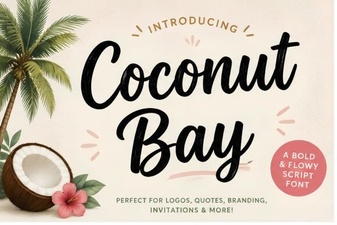 Creative Typography with Coconut Bay Font
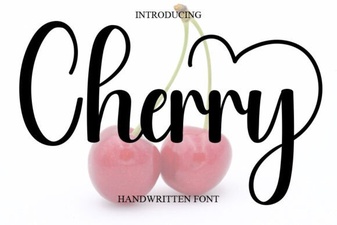 Introducing the Cherry Font for Modern Design Projects
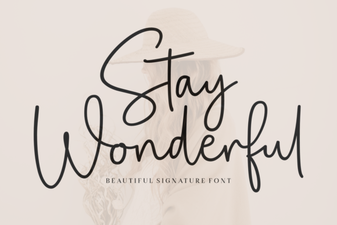 The Wonderful Stay Font: Design Projects & Creative Uses
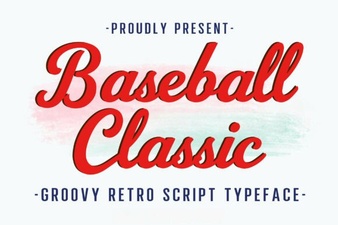 Baseball Font Design for Your Creative Sports Projects
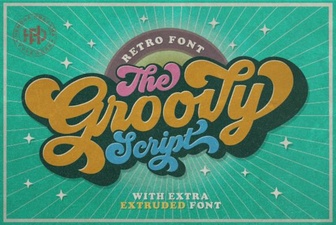 Groovy Font Styles for Modern Web Design
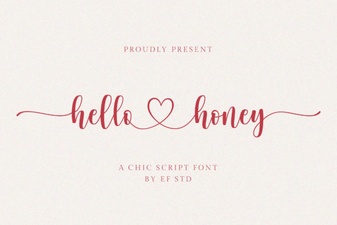 Hello Honey Font: Creative Design Ideas